In today’s fast-paced manufacturing environment, the need for precision and efficiency has never been greater. The Servo Stamping Press is revolutionizing the industry by providing unparalleled accuracy in metal forming applications. Unlike traditional stamping presses, which can suffer from issues like inconsistent force application, servo presses offer precise control, ensuring that every stroke delivers the required force with repeatable accuracy. This is particularly crucial when working with materials that require tight tolerances, such as sometimes seen in the automotive and aerospace sectors. With increasing demands for efficiency, manufacturers are seeking solutions that minimize downtime and maximize production rates, positioning the servo stamping press as a significant advancement in manufacturing technology.
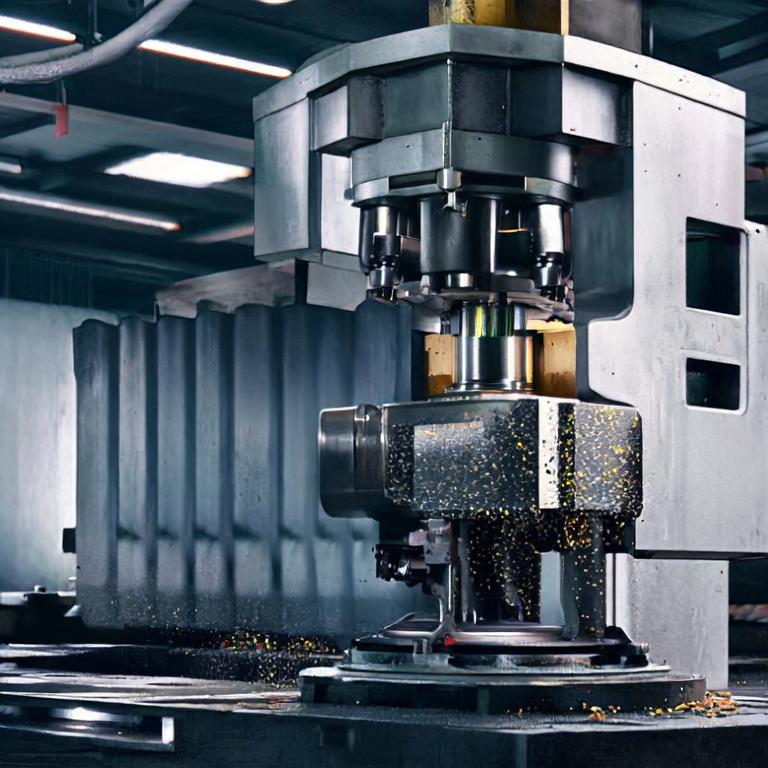
A Servo Stamping Press is a type of stamping machine that utilizes servo motors to control the motion of the ram and thus the stamping process. Unlike conventional mechanical presses which are powered by flywheels, servo presses adjust the speed and force applied during each stroke based on the requirements of the specific application. This technology allows for enhanced flexibility, variable stroke length, and minimized energy consumption. Research from industry leader HMI indicates that servo presses can reduce overall energy use by up to 50%, making them not only a more efficient option but also a more sustainable choice for manufacturers today.
Servo stamping presses are versatile machines used across various industries. Here are some applications:
By integrating servo stamping presses, manufacturers in these sectors can achieve reduced waste and higher quality products.
The Servo Stamping Press stands out in the manufacturing realm for several reasons:
If you\'re interested in integrating a servo stamping press into your operation, the best first step is to consult the user guide provided by industry experts like S-T Intelligence. They offer a range of resources and insights to help you make the shift smoothly and successfully.
On average, a well-maintained servo stamping press can last between 15 to 25 years.
Yes, servo stamping presses can effectively handle various materials, including metals such as steel, aluminum, and composite materials.
Implementation costs can vary widely, but they often range from $50,000 to $300,000 depending on the specifications and the manufacturer.
Generally, they require less maintenance compared to mechanical presses due to fewer moving parts. Regular inspections and software updates are important to keep them operating at peak efficiency.
In summary, the Servo Stamping Press represents a critical evolution in manufacturing technology, providing significant advantages in precision, efficiency, and sustainability. For manufacturers looking to enhance their operations, exploring servo stamping technology can provide substantial benefits that translate directly into improved production outcomes. Consider reaching out to S-T Intelligence for further information or to schedule a trial of a servo press in your facility.
Excellent customer service is our highest priority. We are committed to providing our customers with the best service both before and after the order.