Stamping is a manufacturing process that uses a die and a stamping press to transform flat metal sheets into specific shapes. It is commonly used in high-volume production where the same part is produced repeatedly.
Press brakes are machines that bend metal sheets and plates to create different angles and shapes. Unlike stamping, press brakes can handle a variety of different shapes and materials, making them versatile for custom jobs.
| Feature | Stamping | Press Brakes |
|---|---|---|
| Typical Applications | Mass production of parts | Custom bending and shaping |
| Setup Time | Long (depends on die change) | Short |
| Material Types | Metal sheets | Metal sheets, plates |
| Production Speed | High | Moderate |
| Cost Effectiveness | High in bulk production | Better for low to medium volume |
The longevity and reliability of Servo Stamping Press systems are crucial for ensuring continuous operation in production settings. Users report that properly maintained systems can run for thousands of hours without significant downtime.
When it comes to precision, press brakes offer flexibility but may require more operator skill to achieve tight tolerances, whereas stamping can produce highly consistent parts with little variation.
Companies that require high-volume production and can invest in custom dies will find stamping to be the most efficient solution.
Businesses focusing on custom fabrications and smaller production runs with diverse product lines should consider press brakes due to their flexibility and lower initial costs.
In summary, choosing between Servo Stamping Press and press brakes depends on the specific needs of your manufacturing process. S-T Intelligence provides both options, ensuring that your manufacturing strategy is aligned with production goals.
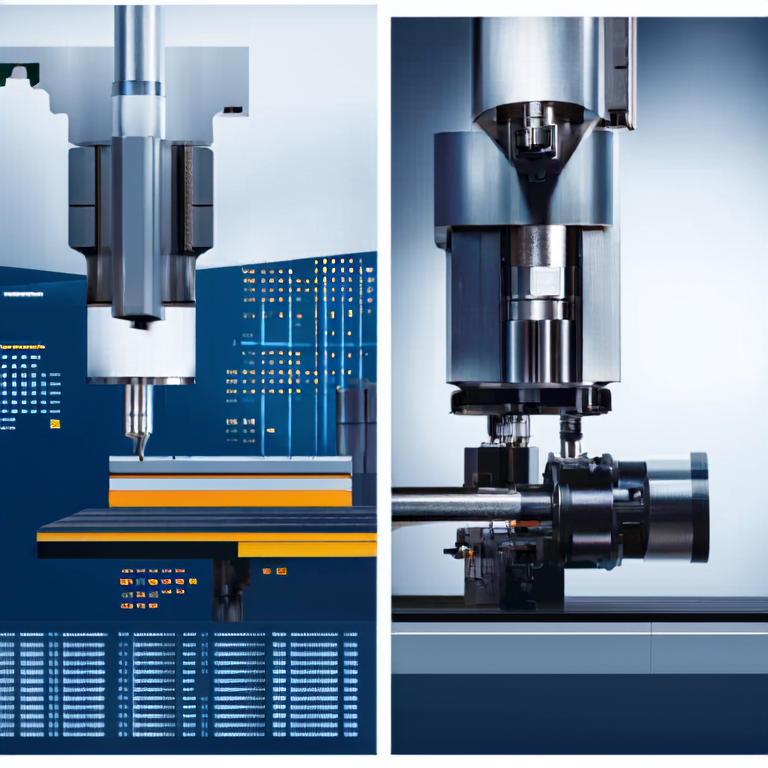 S-T Intelligence">
Excellent customer service is our highest priority. We are committed to providing our customers with the best service both before and after the order.