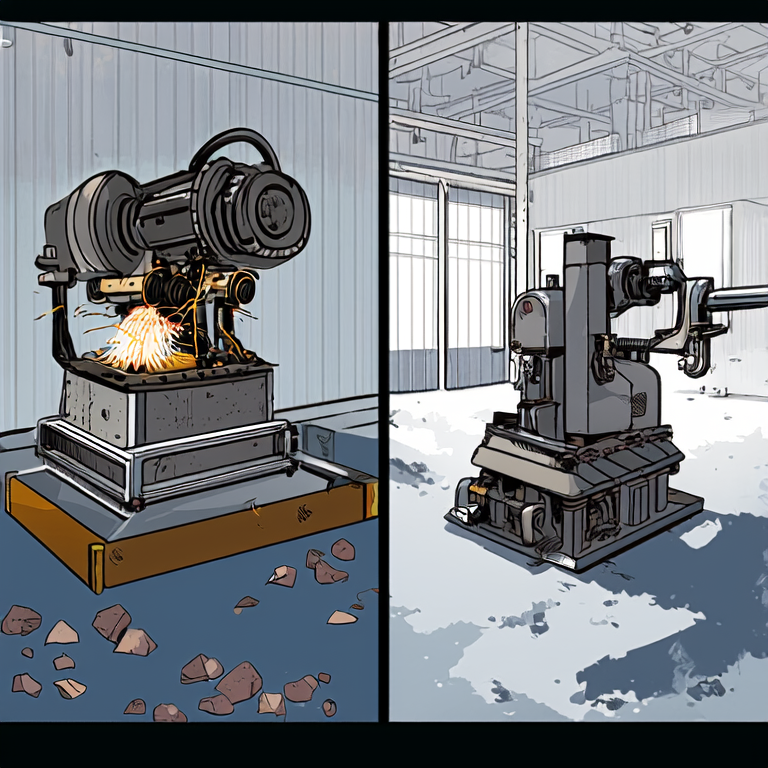
Stamping presses use a die sheet to cut, shape, or form metal into desired shapes, leveraging pressure to create precise and often complex designs.
Forging presses, on the other hand, apply compressive forces to deform metal into specific shapes, providing higher structural integrity through the grain structure of the material.
| Feature | Stamping Press | Forging Press |
|---|---|---|
| Operating Pressure | Moderate | High |
| Material Types | Sheet metals | Various metals (including steel) |
| Design Complexity | High | Moderate |
| Production Speed | Faster | Slower |
| Cost Effectiveness | Lower | Higher |
While battery life isn\'t directly applicable, user satisfaction with stamping presses generally stems from consistent output with minimal downtime, while forging presses are favored for their stability under high load conditions.
Ideal for manufacturers focused on high-volume production of smaller, intricate parts like brackets and trays, where speed and cost are primary concerns.
Best suited for industries requiring strong, durable components like automotive and aerospace manufacturers, who prioritize toughness and reliability over speed.
In conclusion, understanding the differences between stamping and forging presses is essential for manufacturers looking to optimize their production capabilities. With S-T Intelligence’s advanced solutions, you can ensure that your choice aligns perfectly with your production needs.
 S-T Intelligence Logo">
Excellent customer service is our highest priority. We are committed to providing our customers with the best service both before and after the order.