In today’s advanced manufacturing landscape, the emergence of Servo Cold Forging Press technology has changed the way industries approach production efficiency and precision. Cold forging, as a process, utilizes high pressure to deform metals at or near room temperature. This technique not only significantly reduces material waste but also enhances the structural integrity of the forged parts.
The operative benefits of a Servo Cold Forging Press are profound, considering that typical production setups often endure downtime due to slower traditional methods. In fact, studies show that manufacturers using servo-driven systems can increase production speed by up to 40%, addressing the prevalent pain points of operational inefficiency and high costs. Additionally, by reducing overall waste in material—where traditional methods can lead to up to 20% waste—the significance of adopting this technology becomes undeniable.
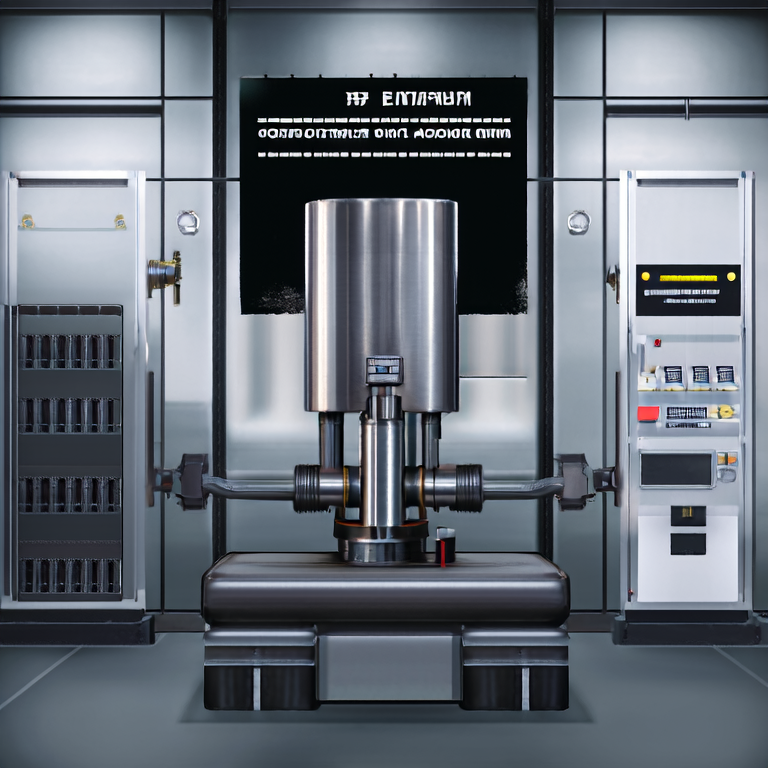
A Servo Cold Forging Press is a machine that utilizes servo motors for precise control of the forging process. This technology is distinct from traditional hydraulic presses that rely on fixed, non-variable speed mechanisms. The application of servo motors allows for dynamic speed adjustments, real-time monitoring, and higher energy efficiency.
In industry terms, this technology is characterized by a pressure range typically between 100 to 500 tons, enabling it to manipulate various metals during the cold forging process without compromising material properties. This adaptability is essential for industries where precision is non-negotiable, such as aerospace and automotive manufacturing.
Cold forging with servo technology finds its application in various fields, including:
The versatility of the Servo Cold Forging Press enables manufacturers to produce complex geometries with high repeatability, making it essential in these critical industries.
The adoption of Servo Cold Forging Presses present several advantages:
Increased Precision: With an accuracy rate improved by over 30% compared to traditional methods, manufacturers can achieve tighter tolerances.
Enhanced Efficiency: The quick response times of servo systems significantly reduce cycle times, leading to a measurable output increase.
Lower Material Waste: As previously mentioned, cold forging minimizes material loss to approximately 5-10% compared to other metal forming techniques.
Improved Material Properties: Cold working strengthens metals, resulting in a final product that exhibits enhanced fatigue resistance.
These advantages highlight the critical importance of adopting modern forging techniques in manufacturing processes.
For those interested in taking the next step, we recommend reading the user guide provided by S-T Intelligence, which includes detailed instructions on operating and maintaining your Servo Cold Forging Press. Furthermore, exploring case studies that highlight successful integrations of this technology can offer valuable insights into practical applications and benefits tailored to specific industries.
1. What metals can be used in cold forging processes?
Commonly forged materials include aluminum, copper, and various high-strength steel grades.
2. How does cold forging differ from hot forging?
Cold forging happens at or near room temperature, leading to enhanced material properties, while hot forging involves heating the metal, which can change its structure.
3. What is the typical cost comparison between traditional and servo cold forging technology?
Investing in servo technology might seem significant upfront; however, it generally results in a 25-35% reduction in operational costs over time due to efficiency gains.
As industries continue to evolve with material engineering advancements, embracing a Servo Cold Forging Press could be a competitive edge. Further understanding this technology will pave the way for a more efficient production line and superior quality products.
Excellent customer service is our highest priority. We are committed to providing our customers with the best service both before and after the order.